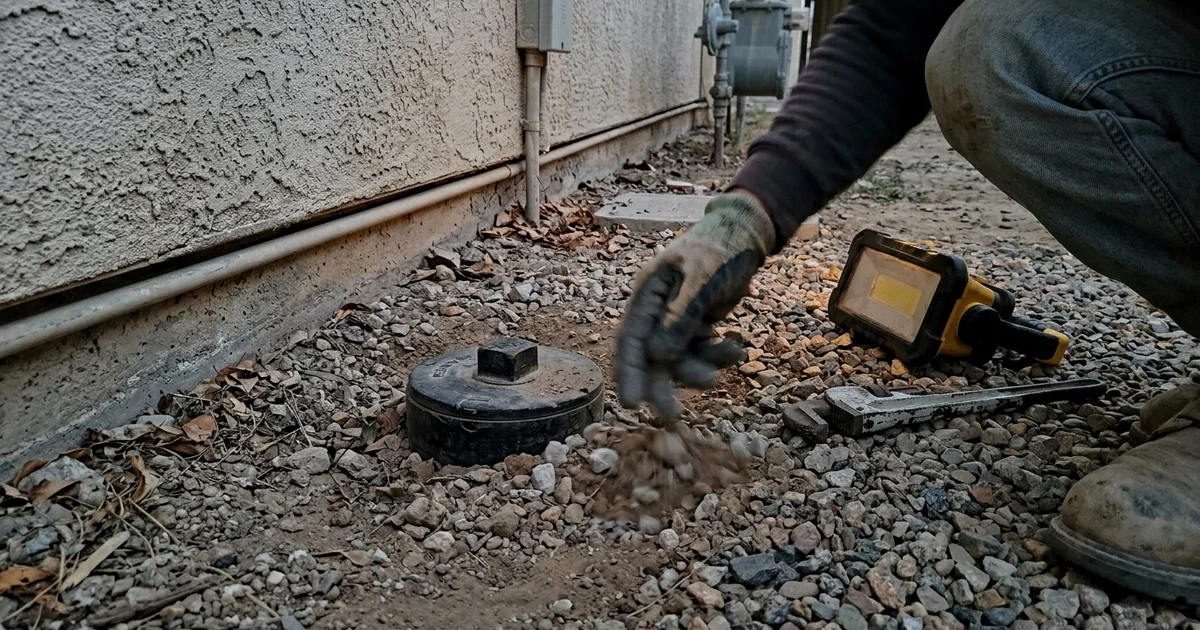
It is Saturday night, the shower is filling with dirty water, and the toilet gurgles when someone runs the sink. A main line backup does not wait for business hours. Here is what to do in order, and what to expect from the moment you call to the moment the drains work again.
Step 1: Stop the water (right now)
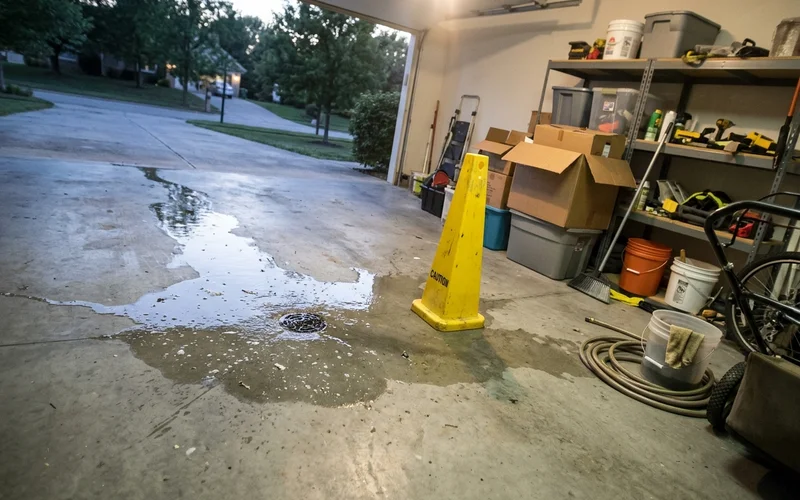
A main line backup means the blockage sits downstream of every drain in the house. Water has nowhere to go, so it comes up at the lowest opening: a shower pan, a tub or a garage floor drain.
- No flushing, no showers, no sinks, no dishwasher.
- Stop the washing machine mid-cycle. Its drain pump moves a lot of water fast.
- Tell everyone in the house out loud. One flush from someone who did not hear undoes your cleanup.
- If it is a rental, tell the guests directly. They will not know the house.
Step 2: Is it the main line? (two minutes)
| What you notice | One branch line | Main line |
|---|---|---|
| One sink or tub slow, everything else fine | Yes | |
| Toilet flush makes the tub or shower rise | Yes | |
| Several drains backing up at once | Yes | |
| Garage floor drain overflowing | Yes | |
| Gurgling in one drain when another runs | Yes |
A single slow branch can wait until morning. A main line cannot, because the house is unusable until it is cleared. Other borderline calls are in what counts as a plumbing emergency.
Step 3: Sewer or septic? (one minute)
Most homes in Lake Havasu City are connected to the city sewer, but some outlying properties may still use a septic tank. If you are on septic and several drains back up together, the tank may be full. If you do not know, look at past utility bills or ask the property manager. Tell the plumber either way.
Step 4: Make the call
Call the emergency plumbing line at 928-555-0100. An automated bilingual assistant answers 24 hours a day, weekends and holidays included, and asks:
- Which drains are backing up, and where in the house?
- When did it start, and has it happened before?
- Is anyone still using water?
- Do you know where the cleanout is, and is the house on sewer or septic?
Your answers are routed to a local plumber, so the right drain machine, and a camera on a repeat backup, are on the truck.
While you wait: find the cleanout, but leave the cap on
The cleanout is a capped pipe, usually a few inches across, sticking up from the ground along the sewer’s path. Look near the foundation on the bathroom side of the house or in a gravel side yard.
Do not open it yourself
A blocked line can hold a column of sewage behind that cap. Opening it can release all of it at your feet. Let the plumber open it with containment ready.
Some homes have no accessible cleanout. The plumber can work through a pulled toilet or a roof vent, and adding a cleanout on the same visit makes every future call faster.
Staying safe
- Keep children and pets out of the area.
- Wear rubber gloves and boots if you must walk through it.
- Cut power to circuits if water has reached outlets, but only from a dry spot. Garage outlets often sit low on the wall.
- Wash hands and clothing thoroughly, and launder those clothes separately.
- Plan to throw out soaked carpet, padding, cardboard and particleboard.
What the plumber does on arrival
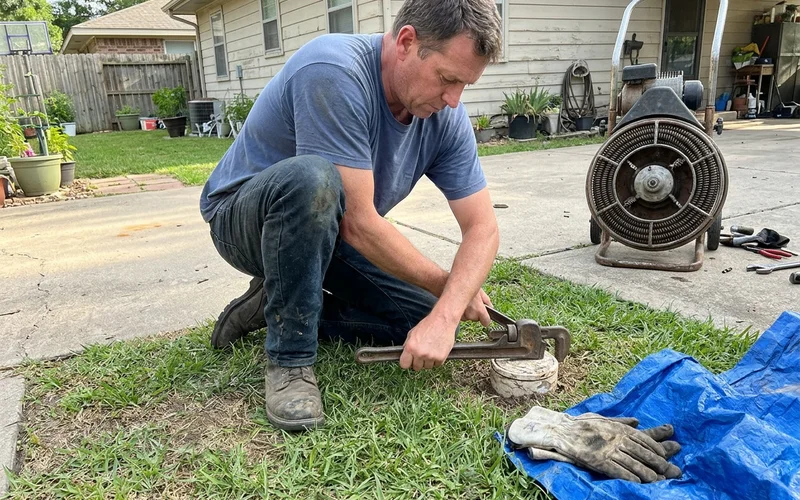
| Stage | What happens |
|---|---|
| Controlled opening | The cleanout is opened slowly to relieve the standing water |
| Clearing | A cable machine, or hydro jetting if the line is packed with grease, scale or roots |
| Flow test | Several fixtures run together to confirm the line drains |
| Camera, if needed | On a repeat backup, video shows the cause: roots, a sag, a shifted joint or a break |
Local expert insight
Lake Havasu City homes that sat empty for weeks often back up in the first days after a full house arrives, especially on holiday weekends. If you just opened the house or a big group checked in, mention it on the call. It changes what the plumber looks for.
Repeat backups belong with our drain cleaning service, where camera inspection is part of the work. Lake Havasu Plumbing Pros takes these calls at any hour. Ask about any service call fee and after-hours rates when you book.